
Bidet seats and attachments: the T-valve
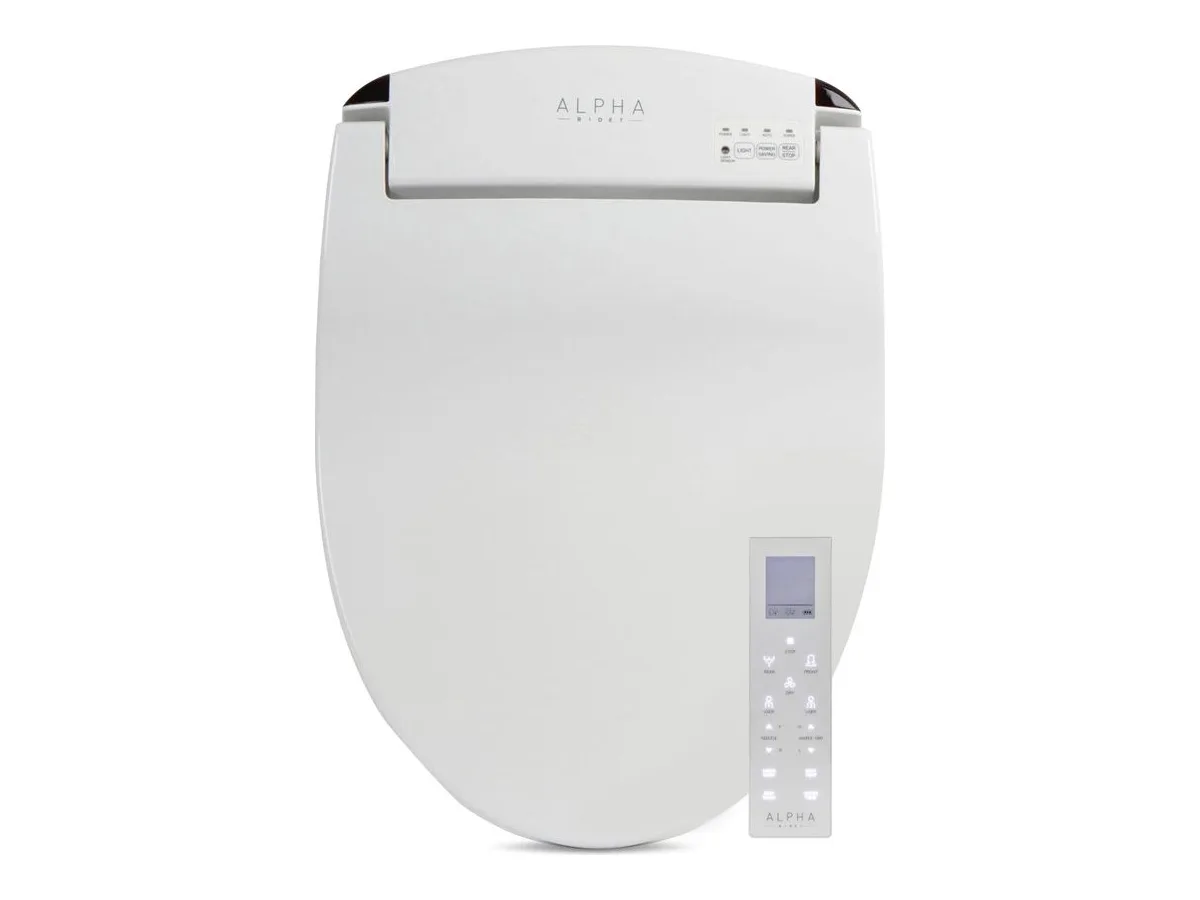
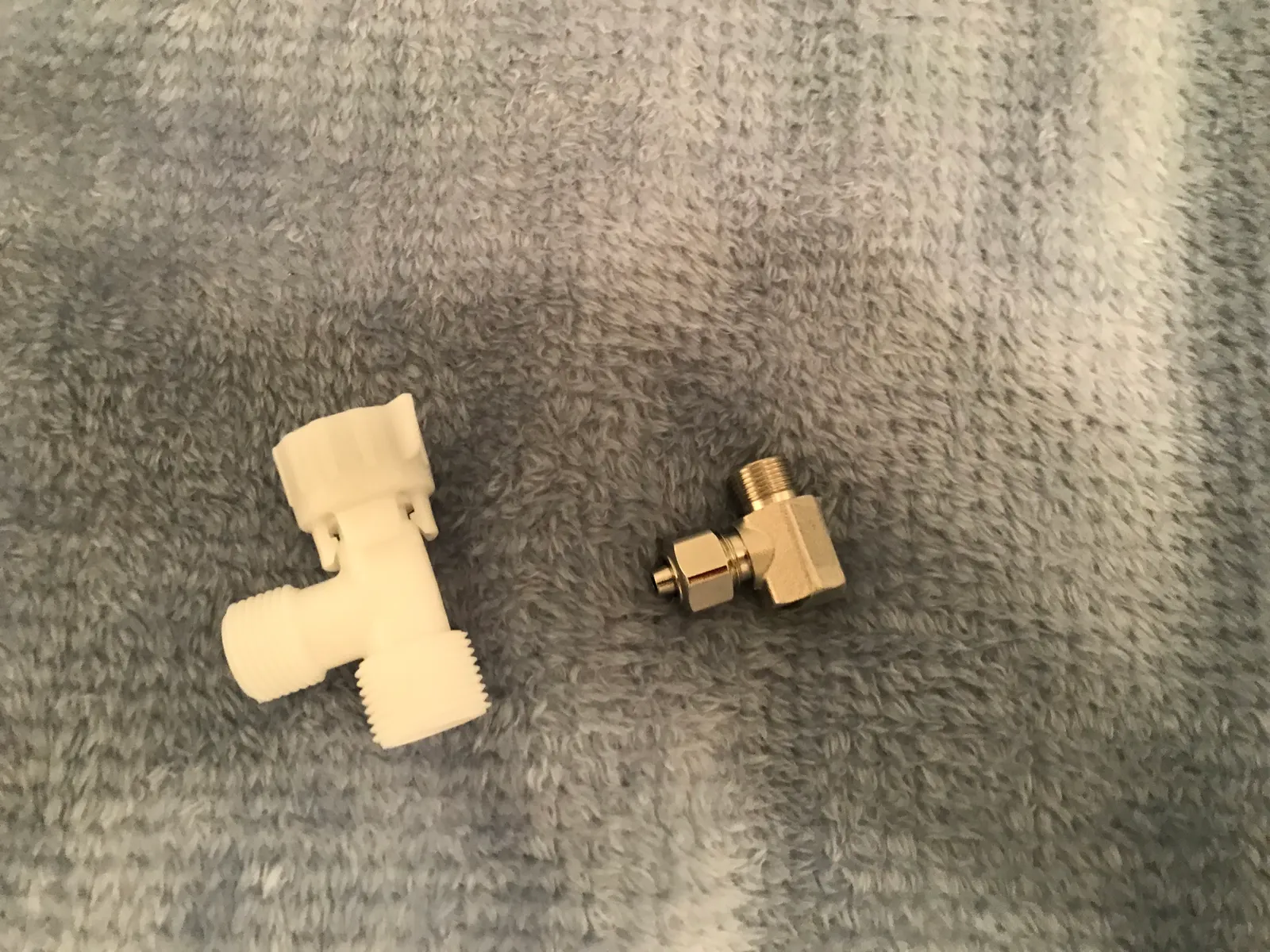
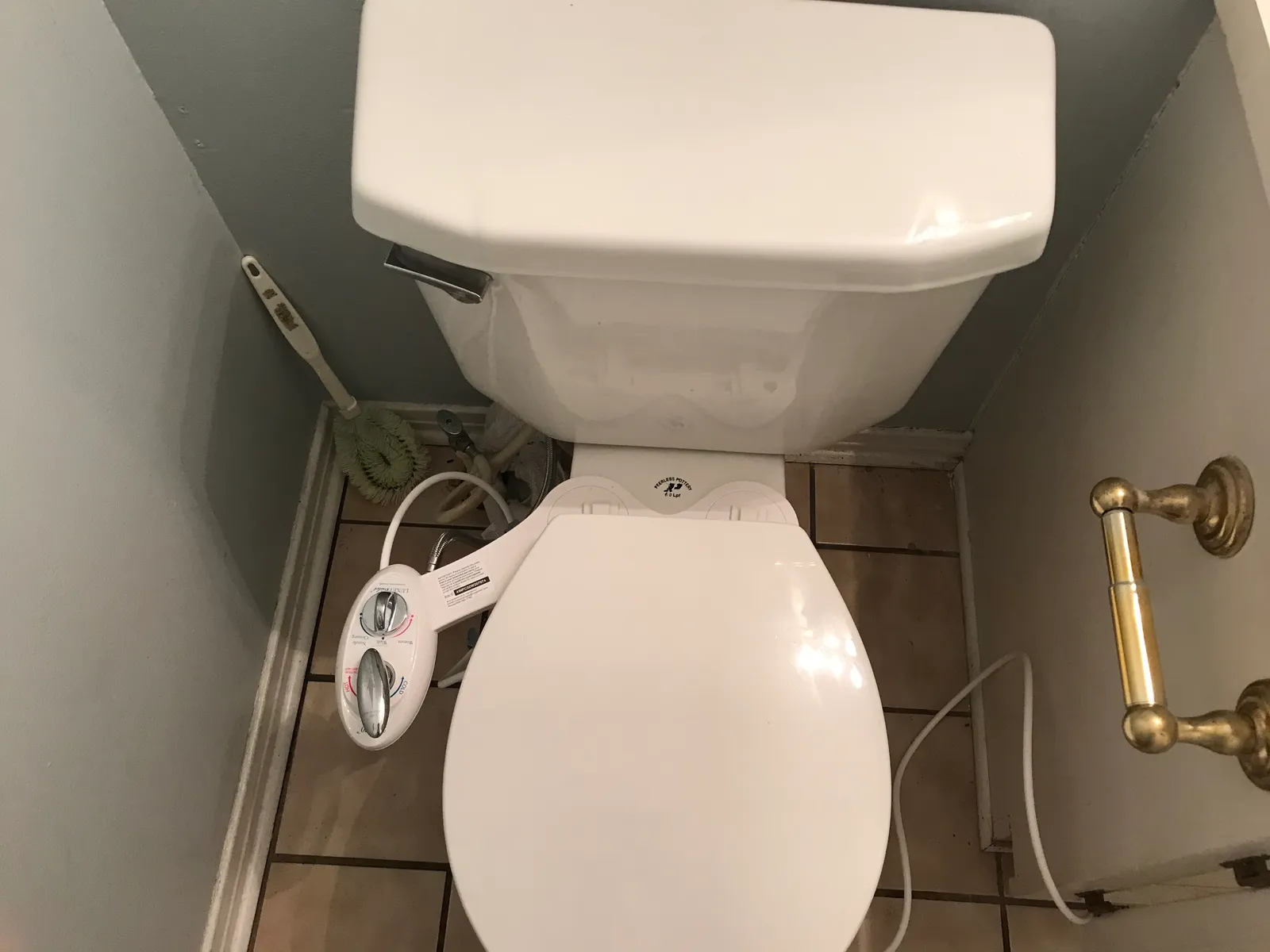
Almost every bidet seat and attachment connects the same way. A T-valve (also called a T-adapter) screws onto the toilet's fill valve under the tank, between the tank and the supply hose. One outlet feeds the toilet, the other feeds the bidet. Most seats include a 7/8 in metal T-valve and a hose, and installation needs no new plumbing.
Water pressure
Electric seats need very little: TOTO and Alpha spec sheets list a minimum of 7.25 psi while flowing and a maximum of about 109 psi static. Normal household pressure is comfortably within that range.
Electrical
Electric seats need a grounded 120 V outlet within reach of the cord, which is often only about 4 ft long. Makers specify a GFCI-protected outlet; TOTO calls for 15 A. Alpha says its UX Pearl doesn't need a dedicated circuit, while Kohler's C3-230 instructions ask for a dedicated outlet. Use the maker's instructions, and have an electrician add an outlet if there isn't one. Avoid extension cords.
Can you install a bidet on a tankless toilet?
Tankless toilets here means flushometer toilets, the kind with a lever valve on a pipe, common in offices, and wall-hung toilets with an in-wall carrier. Standard bidet seats and attachments expect a toilet tank with a fill valve to tee into, so they can't connect the usual way. Options:
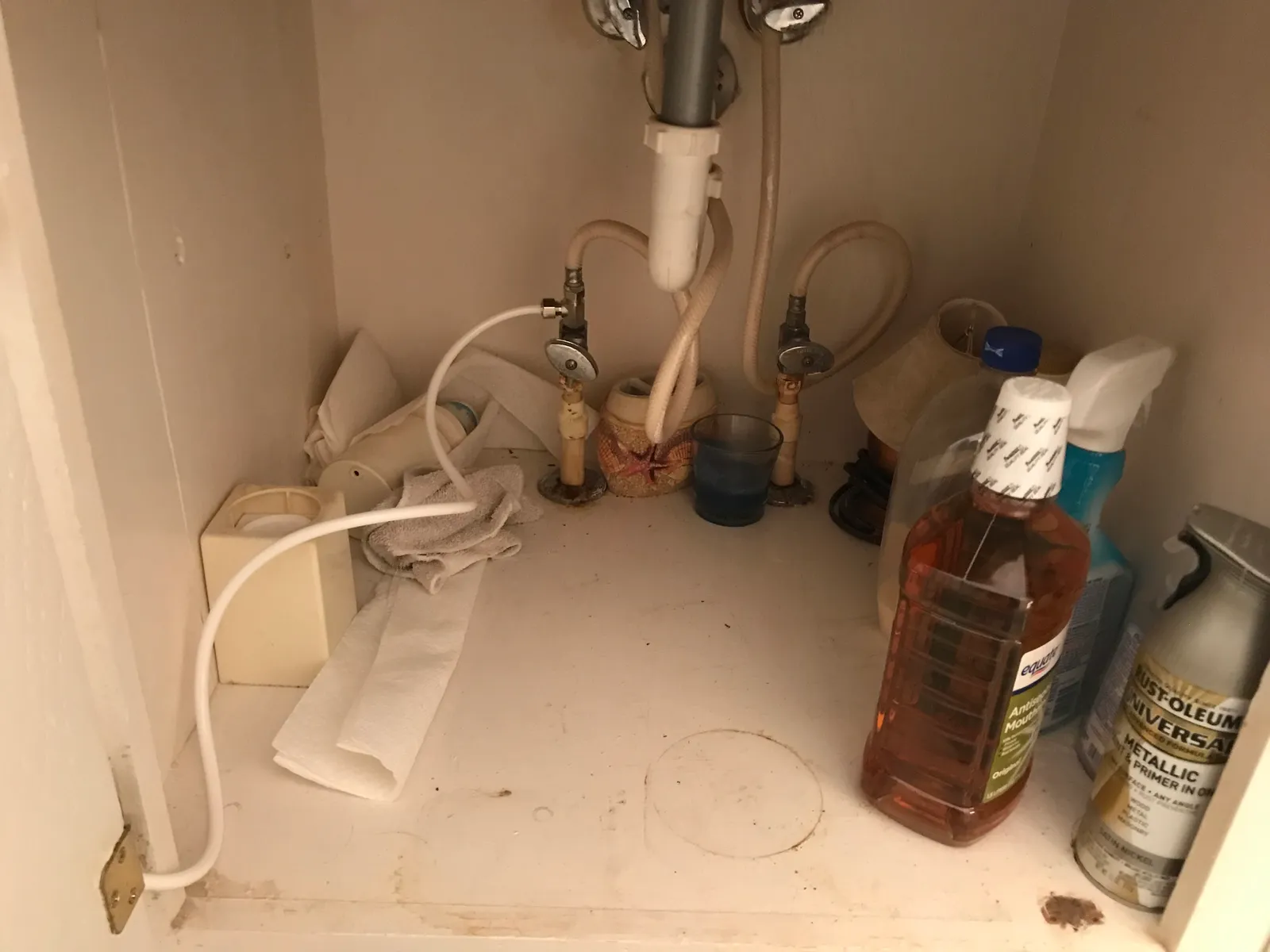
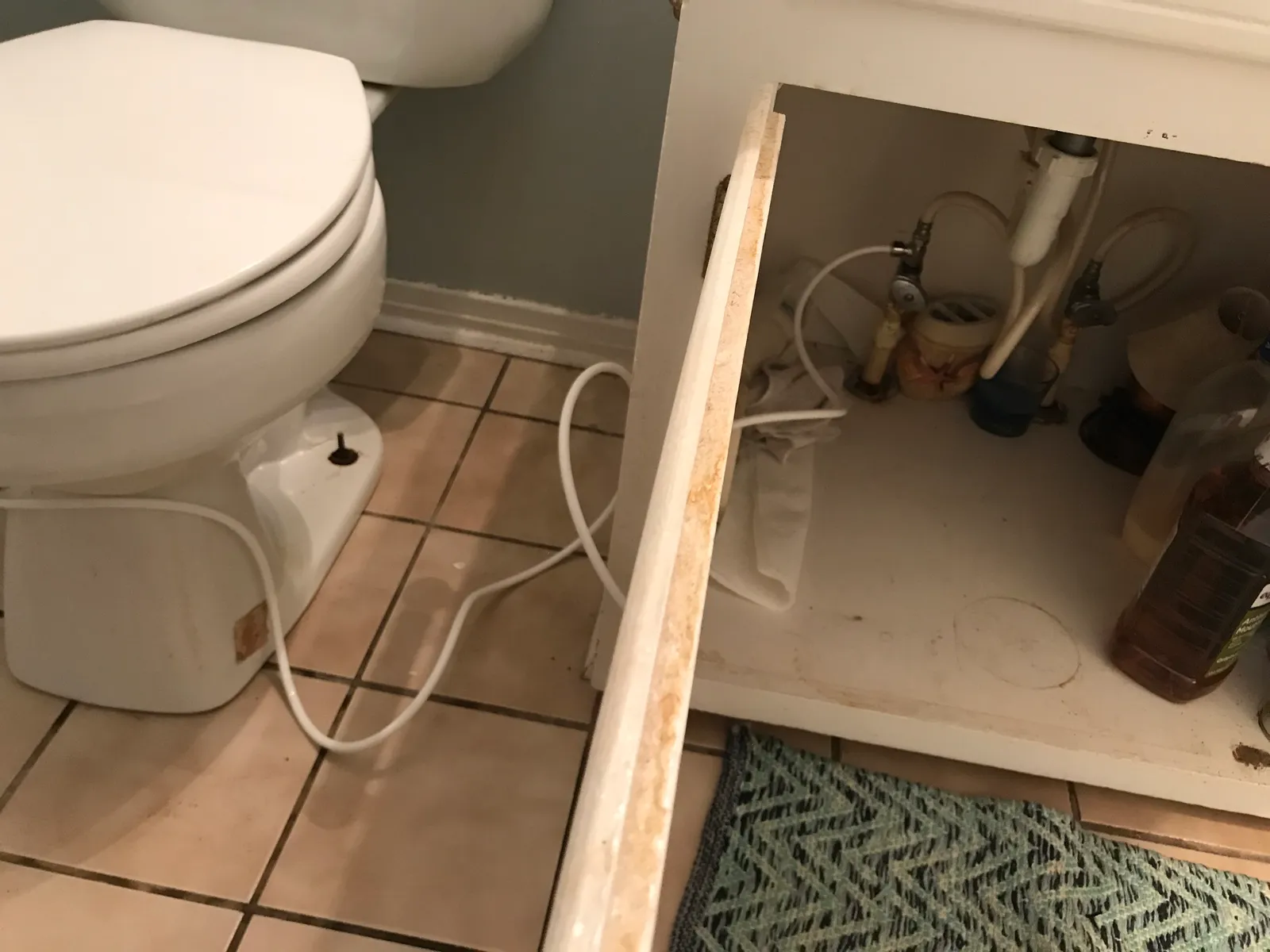
- Tee into a nearby supply line, such as a sink supply, with a longer hose. This usually takes a plumber.
- Use a handheld sprayer connected to a nearby supply.
- For wall-hung toilets, check the seat's fit and whether the carrier leaves room for the hose.
Smart toilets: tankless flushing needs more pressure
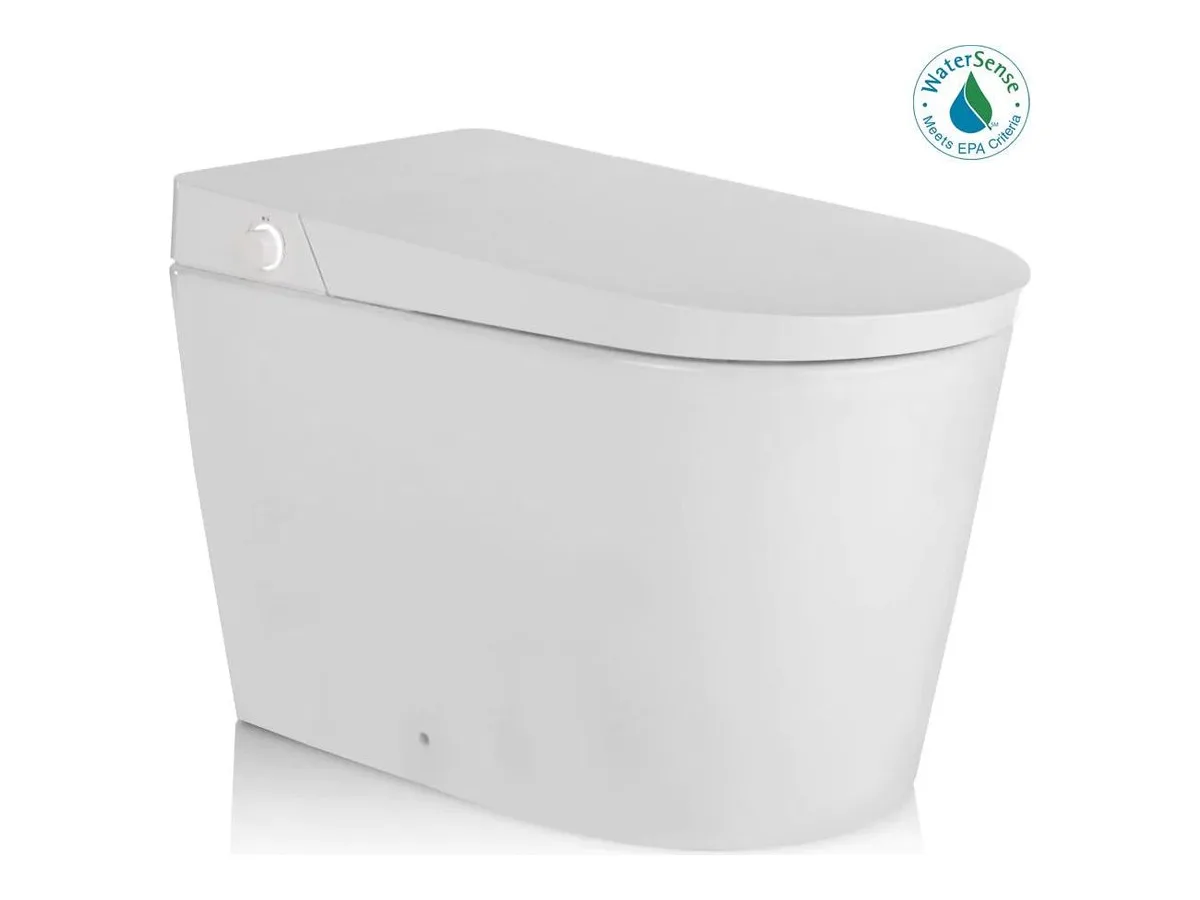
Many smart toilets are tankless themselves: they flush directly from the supply line, sometimes with a pump. That makes supply pressure and flow important. The Alpha UXT Pearl lists at least 26 psi flowing and 5.8 gal/min; Kohler lists 6 gal/min for the Veil and 4 gal/min for the Eir. If your home has low pressure, for example on some well systems, test it first or choose a toilet with a pressure-assisted or tank flush.
Smart toilets also need the right rough-in, the distance from the finished wall to the center of the drain. Every smart toilet we list needs 12 in.
Non-electric options
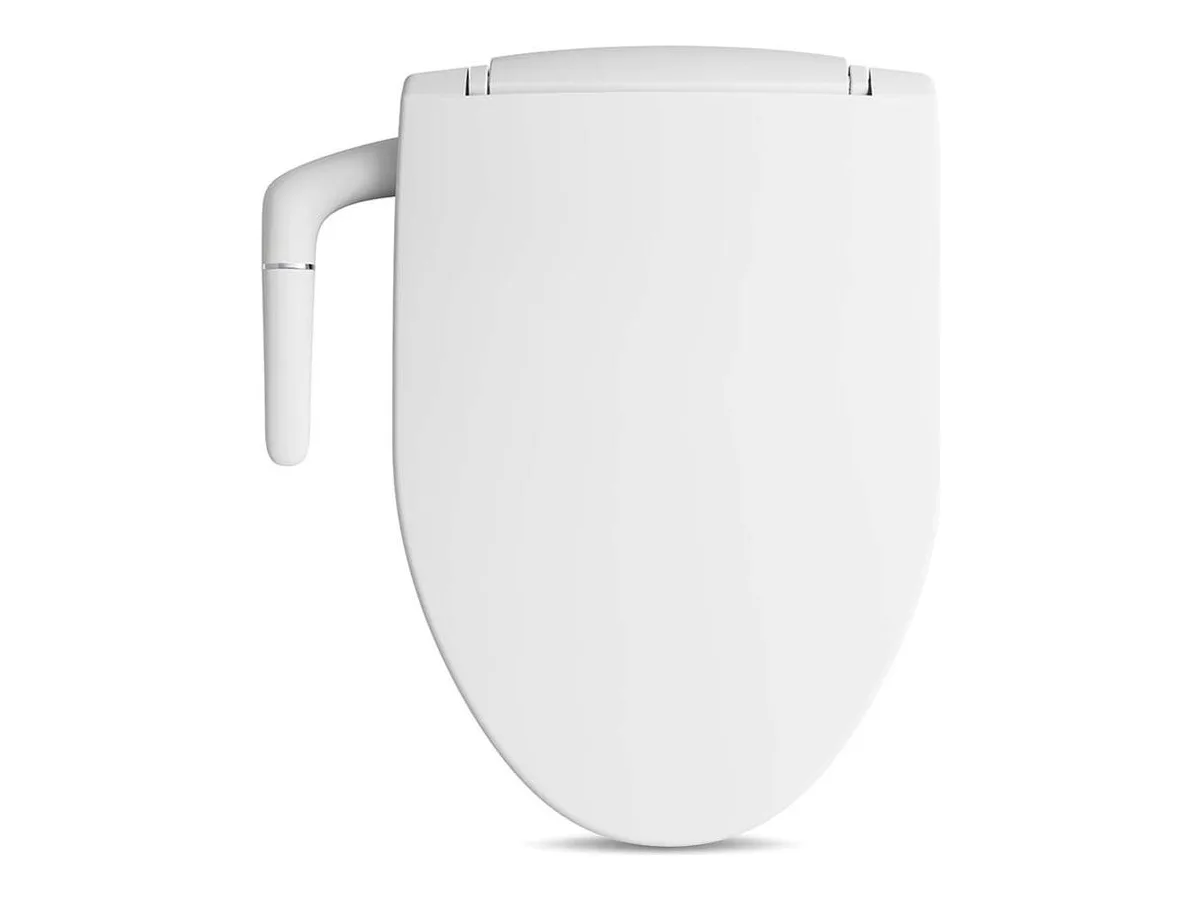
No outlet? A non-electric seat such as the Kohler PureTide or an attachment uses room-temperature water from the toilet supply. Warm water from a non-electric bidet requires a second hose to the sink's hot-water line.